
Pet Dental Care 101
Tips for a Healthy Mouth
Laura
1/20/20268 min read

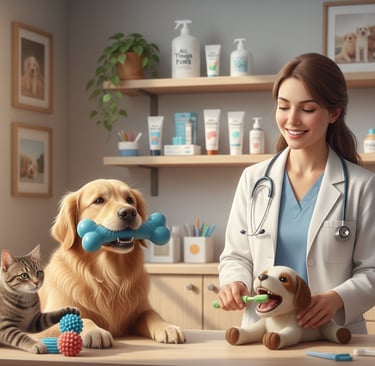
As a caring pet owner, learning about pet dental care is crucial. Regular care stops tartar, gum disease, and bad breath. Simple steps can keep your companion's mouth clean and fresh.
This article uses trusted sources like allthingspaws.net to guide you on pet oral health. By the end, you'll know how to better care for your pet's teeth.
Key Takeaways
Understand the importance of pet oral health
Learn simple tips for maintaining a healthy mouth
Discover how to prevent common oral health issues
Find out how to keep your pet's teeth clean and fresh
Get insights from reliable pet care resources
The Importance of Pet Dental Care
Pet dental care is key to your pet's health, but it's often ignored. As a pet owner, knowing how to keep their teeth clean is crucial. It helps prevent bad breath, gum disease, and serious health problems.
How Dental Health Affects Your Pet's Overall Wellbeing
Dental issues can harm more than just your pet's mouth. Bacteria from the mouth can spread to other parts of the body. This can lead to infections in important organs like the heart, liver, and kidneys.
Shocking Statistics About Pet Dental Problems
Many dogs and cats face dental problems. By three years old, most dogs have dental disease. Regular dental cleaning, including dog dental cleaning, is crucial to prevent these issues. Cats also suffer from dental problems due to neglect, causing pain that can be avoided with proper care.
Recognizing Dental Problems in Your Pet
Spotting dental issues early is key to your pet's health and happiness. As a pet owner, knowing the signs of dental problems is vital. This knowledge helps your pet get the care they need, like professional pet teeth cleaning, to keep their teeth clean.
Physical Warning Signs You Shouldn't Ignore
There are clear signs that show your pet might have dental problems. These signs can be seen in the mouth or show up as other symptoms.
Visual Indicators in the Mouth
Some common signs include:
Yellow or brown tartar on the teeth
Red, inflamed gums
Loose or missing teeth
Visible swelling or bleeding in the mouth




Behavioral Changes That Signal Dental Pain
Pets often act differently when they're in dental pain. Look out for:
Changes in appetite or eating habits
Increased irritability or lethargy
Pawing at the mouth or face
Reluctance to play with toys or chew on hard objects
By watching for these signs and acting fast, you can help your pet get the dental care they need. This includes professional pet teeth cleaning to avoid bigger problems.
Common Dental Issues in Dogs and Cats
As a pet owner, it's important to know about common dental problems in dogs and cats. These issues can quietly get worse if not caught early. Regular dental care for pets can help prevent and treat these problems.
Plaque and Tartar: The Silent Threats
Plaque and tartar buildup is a big problem for dogs and cats. It can cause bad breath, gum disease, and even worse. If not treated, plaque turns into hard tartar, which only a vet can remove.
Understanding Periodontal Disease
Periodontal disease is a serious condition that harms the gums and surrounding tissues. It can cause pain, infection, and even tooth loss if not treated. Regular dental check-ups are key to catching this disease early.
Broken Teeth and Other Dental Emergencies
Broken teeth, abscesses, and other dental emergencies are very painful for pets. Knowing how to spot these issues and getting vet care fast can greatly help your pet's recovery and health.
To better understand the common dental issues, let's take a look at the following table:
Dental Issue Symptoms and Prevention Plaque and Tartar Bad breath, yellow or brown teeth Regular brushing, dental chews Periodontal Disease Gum recession, loose teeth Dental check-ups, professional cleanings Broken Teeth Pain, swelling, difficulty eating Avoiding hard objects, regular dental checks
Essential Pet Dental Care Routines at Home
A healthy mouth is key for your pet's health. A simple home dental care routine can make a big difference. By adding a few habits to your daily life, you can greatly improve your pet's oral health.
My Step-by-Step Guide to Brushing Your Pet's Teeth
Brushing your pet's teeth is vital for their dental care. It removes plaque and tartar, preventing dental issues. Here's how to do it right.
Getting Your Pet Comfortable with Brushing
Begin by letting your pet get used to the toothbrush and toothpaste. Use a pet-safe toothpaste and introduce the toothbrush gently. Make it a good experience with praise and treats.
Proper Brushing Technique
When your pet is okay with the toothbrush, start brushing. Use soft circular motions, focusing on the area where the teeth and gums meet. Make sure to brush all surfaces.
Dental Treats and Chews That Actually Work
Dental treats and chews are great for your pet's dental care. Look for ones that fight tartar and plaque. Some even freshen breath. Always check with your vet before making a decision.
Choosing a Dental-Friendly Diet
A diet friendly for teeth is also important. Some pet foods help lower tartar and plaque. Talk to your vet to find the best diet for your pet's teeth.
Dietary Option Benefits Veterinary Recommendation Dental Dry Food Reduces tartar and plaque Highly Recommended Dental Treats Freshens breath, reduces plaque Recommended Raw Diet Can help reduce plaque Consult Veterinarian
Professional Veterinary Dental Services
As a pet owner, knowing about professional veterinary dental services is key. Home care is important, but professional cleanings and check-ups are vital. They help prevent and treat dental problems.
What to Expect During a Professional Cleaning
A professional dental cleaning is a detailed process. It includes a thorough examination and cleaning of your pet's teeth.
Pre-Cleaning Examination
Your veterinarian will do a pre-cleaning exam first. They check for dental disease signs like tartar buildup, gum recession, and tooth decay.
The Cleaning Procedure
The cleaning removes tartar and plaque from your pet's teeth. This is done above and below the gum line. Ultrasonic and hand instruments are used.
How Often Your Pet Needs a Dental Check-up
The need for dental check-ups varies. It depends on your pet's age, breed, and health. Most pets need a check-up at least once a year.
Pet AgeRecommended Check-up FrequencyUnder 3 yearsAnnual check-up3-7 yearsEvery 6-12 monthsOver 7 yearsEvery 3-6 months
Regular dental services from your vet can prevent expensive and painful dental issues. Knowing what to expect and how often check-ups are needed helps keep your pet's teeth healthy.
Top Products I Recommend for Pet Dental Hygiene
Keeping your pet's teeth clean is key to their health. I've found some top products to help. The right tools can make a big difference in dog dental cleaning and pet dental hygiene.
Best Toothbrushes and Pet-Safe Toothpastes
Choosing the right toothbrush and toothpaste is crucial for pet dental care. Look for toothbrushes with soft bristles and pet-safe toothpastes. Brands like Virbac and PetzLife offer safe and effective options.
Effective Dental Wipes and Oral Sprays
If your pet doesn't like toothbrushes, dental wipes and sprays are good alternatives. PetzLife Oral Care Wipes and Virbac's C.E.T. Oral Spray are great for reducing plaque and tartar.
Water Additives That Freshen Breath
Water additives are a convenient way to keep your pet's mouth healthy. Oxyfresh Pet Dental Water Additive can be added to water to freshen breath and fight bacteria. These additives are easy to use and boost your pet's dental care routine.
Breed-Specific Dental Concerns to Be Aware Of
Pet owners should know that certain breeds face dental health challenges. Each breed has traits that can lead to specific dental problems. For example, some breeds are more likely to have overcrowded teeth, while others are at a higher risk for periodontal disease.
Small Dog Breeds and Their Unique Dental Needs
Small dog breeds, like Chihuahuas and Poodles, often face dental issues. Their small jaws and crowded teeth make them more prone to tooth decay and gum disease. Regular dental care, including brushing and professional cleanings, is essential for these breeds. It's also important to have regular vet check-ups to catch any problems early.
Cat Breeds Particularly Prone to Dental Issues
Certain cat breeds, such as Persians and British Shorthairs, are more likely to have dental problems. For instance, Persians' flat faces can cause overcrowding and increase the risk of periodontal disease. Keeping up with regular dental care and vet visits is crucial for their oral health. Watching their eating habits and overall health can also help spot dental issues early.
BreedDental ConcernRecommended CareChihuahuaOvercrowding, Tooth DecayRegular Brushing, Professional CleaningsPersian CatPeriodontal DiseaseVeterinary Check-ups, Regular Brushing
Conclusion: Building a Lifelong Dental Care Routine
Creating a lifelong dental care routine is key for your pet's health. By following the tips in this article, you can give your pet the best care. Remember, veterinary dental care is vital for your pet's oral health.
For more help, check out https://allthingspaws.net/. It has lots of info on pet care, including dental health. With these resources and regular veterinary dental care, you can prevent dental problems. This ensures your pet lives a happy, healthy life.
As a pet owner, making smart dental care choices is crucial. By focusing on veterinary dental care and sticking to a routine, you greatly improve your pet's life quality.
FAQ
How often should I brush my pet's teeth?
I suggest brushing your pet's teeth every day, or at least a few times a week. This helps prevent plaque and tartar. Use a toothpaste made for pets and a pet toothbrush for better results.
What are the signs of dental problems in my pet?
Watch for signs like bad breath, yellow or brown teeth, and red gums. Also, look for changes in eating habits. If your pet shows signs like pawing at their mouth or avoiding food, it's time for a vet visit.
Can I use human toothpaste to brush my pet's teeth?
No, human toothpaste is not safe for pets. It has fluoride that can harm them if swallowed. Use a toothpaste made for dogs or cats instead, in flavors they like.
How often should my pet undergo a professional dental cleaning?
The need for dental cleanings varies by pet. Age, breed, and health all play a role. I recommend a yearly check-up, but your vet might suggest more often based on your pet's needs.
Are there any dietary changes I can make to improve my pet's dental health?
Yes, a dental-friendly diet can help. Choose foods and treats with the Veterinary Oral Health Council (VOHC) seal. Also, add dental chews or water additives to their routine.
What is periodontal disease, and how can it be prevented?
Periodontal disease is a gum infection that can cause tooth loss. It's caused by bacteria. To prevent it, brush regularly, get professional cleanings, and feed dental-friendly foods. Regular vet visits can catch it early.
Can dental treats and chews really make a difference in my pet's oral health?
Yes, dental treats and chews are great for oral health. They help reduce plaque and tartar. Choose products tested and approved by vet dental groups.Write your text here...
© 2026 All Things Paws | allthingspaws.net | All rights reserved.